
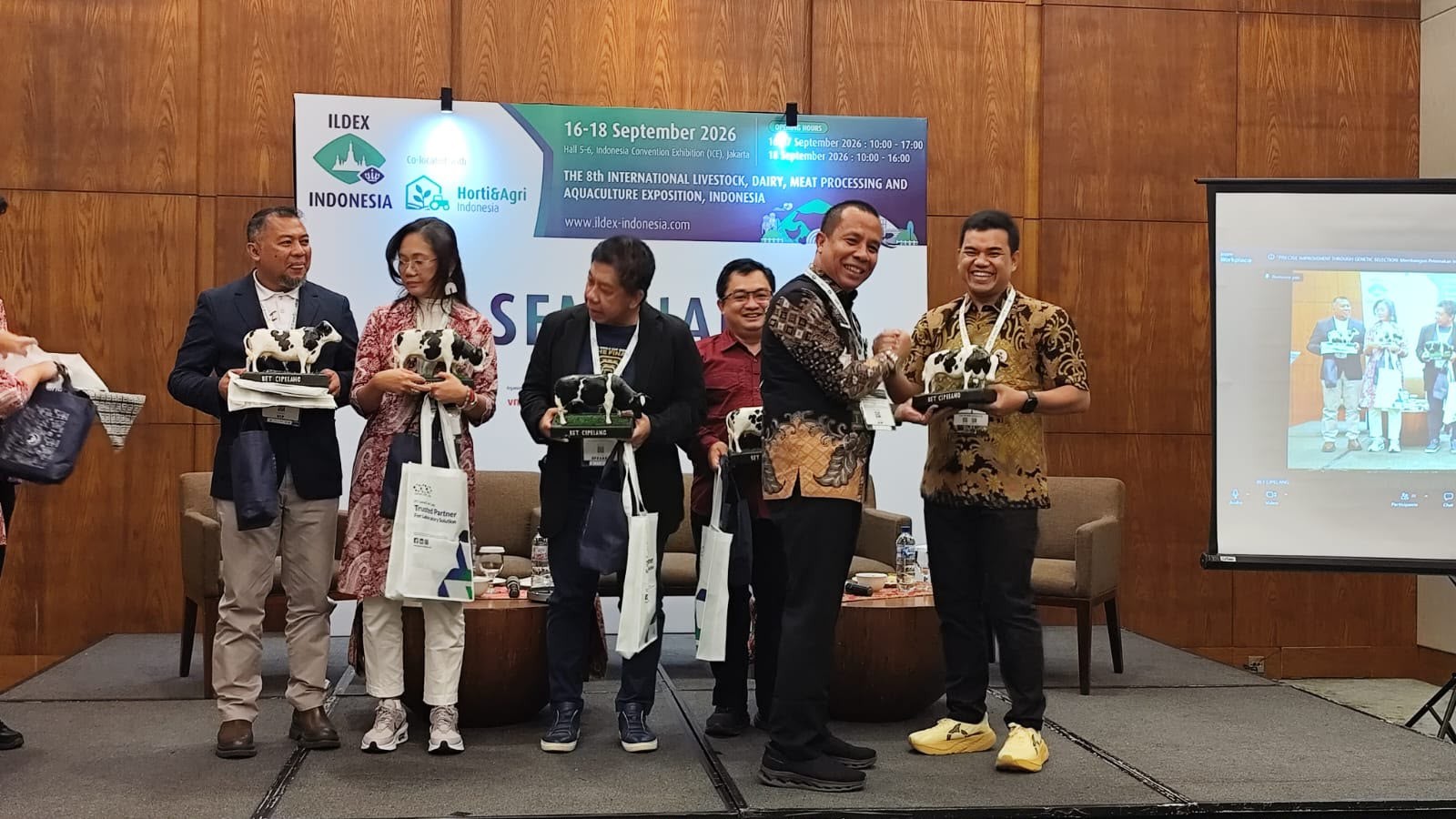
Tangerang, September 17, 2026 – Asep Setiaji, S.Pt., M.Si., Ph.D., a lecturer in the Master’s Program in Animal Science at the Faculty of Animal and Agricultural Sciences, Universitas Diponegoro, was one of the speakers at the ILDEX Indonesia 2026 Talk Show, titled “Precise Improvement Through Genetic Selection: Building Indonesian Livestock Farming on Superior Genetics.” Held at the Indonesia Convention Exhibition (ICE) BSD City, the event brought together academics, practitioners, and industry stakeholders to discuss developments in genetics- and genomics-based livestock breeding technologies.
In his presentation, Asep Setiaji highlighted genomic selection as a promising technology for accelerating genetic progress in livestock. However, based on simulation results representing the conditions of smallholder livestock farming in Indonesia, he explained that the greatest genetic gains could actually be achieved through a more fundamental step: keeping simple livestock performance records consistently. According to him, high-quality data is the primary foundation for the success of any breeding program.
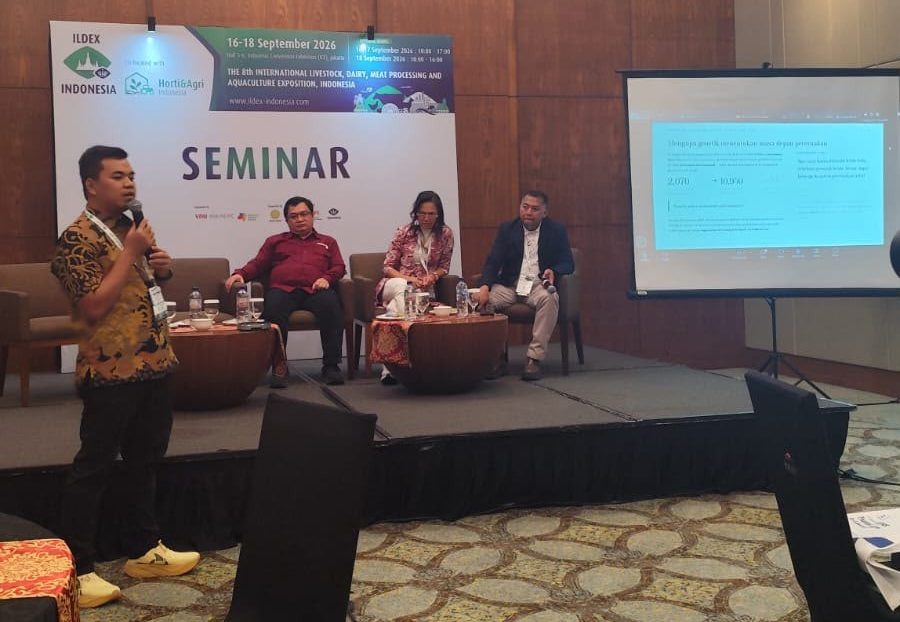
Furthermore, Asep Setiaji explained that the application of genomic technology cannot stand alone. Although genomics can improve selection accuracy, its benefits can only be optimized when supported by a well-functioning breeding system, including the availability of performance data, pedigree records, and structured reproductive management. Therefore, the question that needs to be addressed is no longer whether genomic technology is beneficial to implement, but rather what prerequisites must be met to ensure that the technology can generate a tangible impact at the farmer level.
Through this discussion, participants gained an understanding that transforming livestock farming through superior genetics depends not only on the adoption of advanced technologies, but also on strengthening record-keeping and data management systems in the field. The event is expected to encourage collaboration among academics, industry stakeholders, and farmers in developing breeding programs that are more effective, sustainable, and suited to the conditions of Indonesian livestock farming.